

OpenAI has announced one of the biggest upgrades ever made to ChatGPT's memory system: Dreaming. This new capability changes how AI remembers information, preferences, projects, and goals, making conversations far more personalized and useful over time.
Until recently, ChatGPT mainly relied on manually saved memories or information explicitly provided by users. With Dreaming, the AI can analyze past conversations, identify what matters, and automatically update its understanding of you.
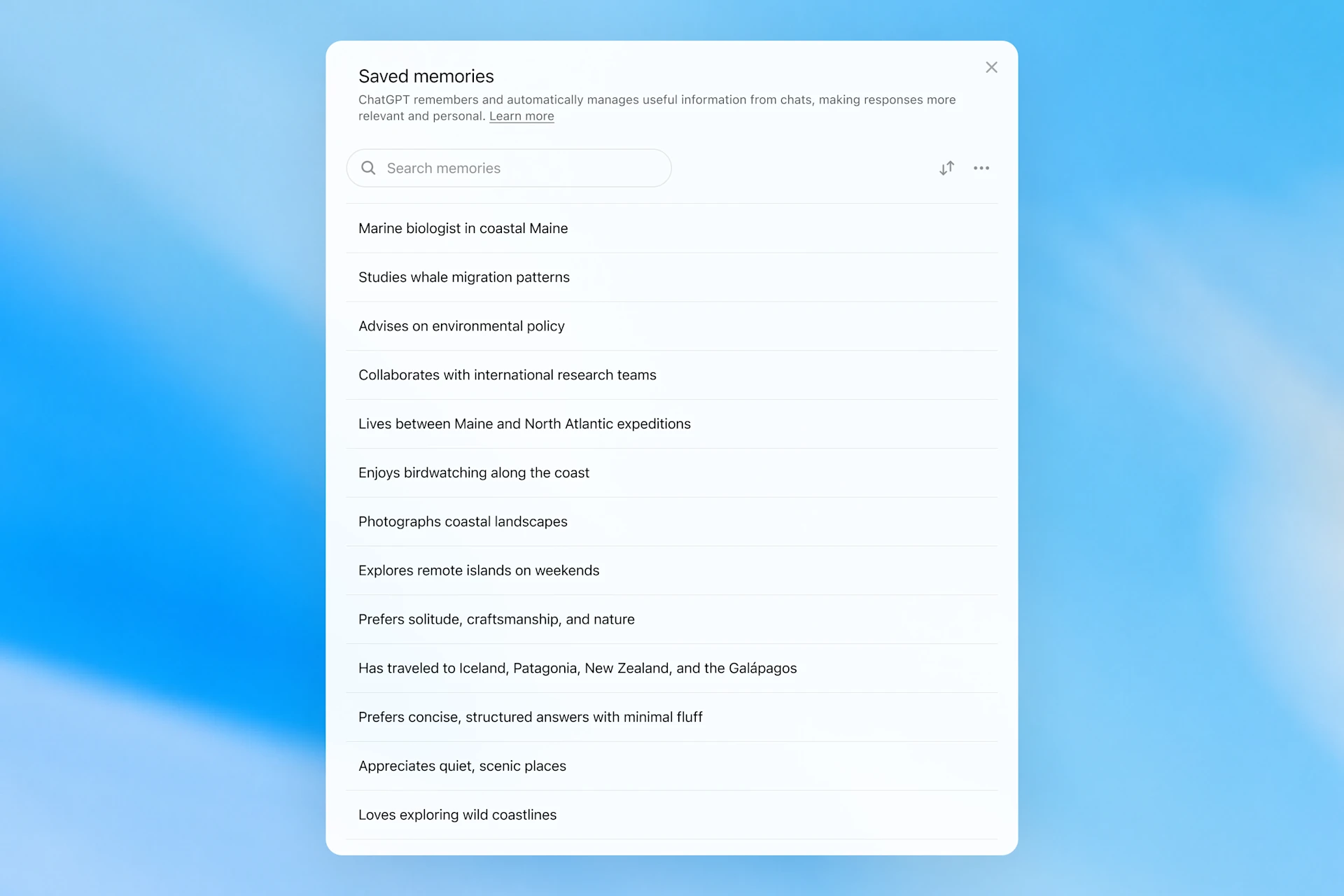
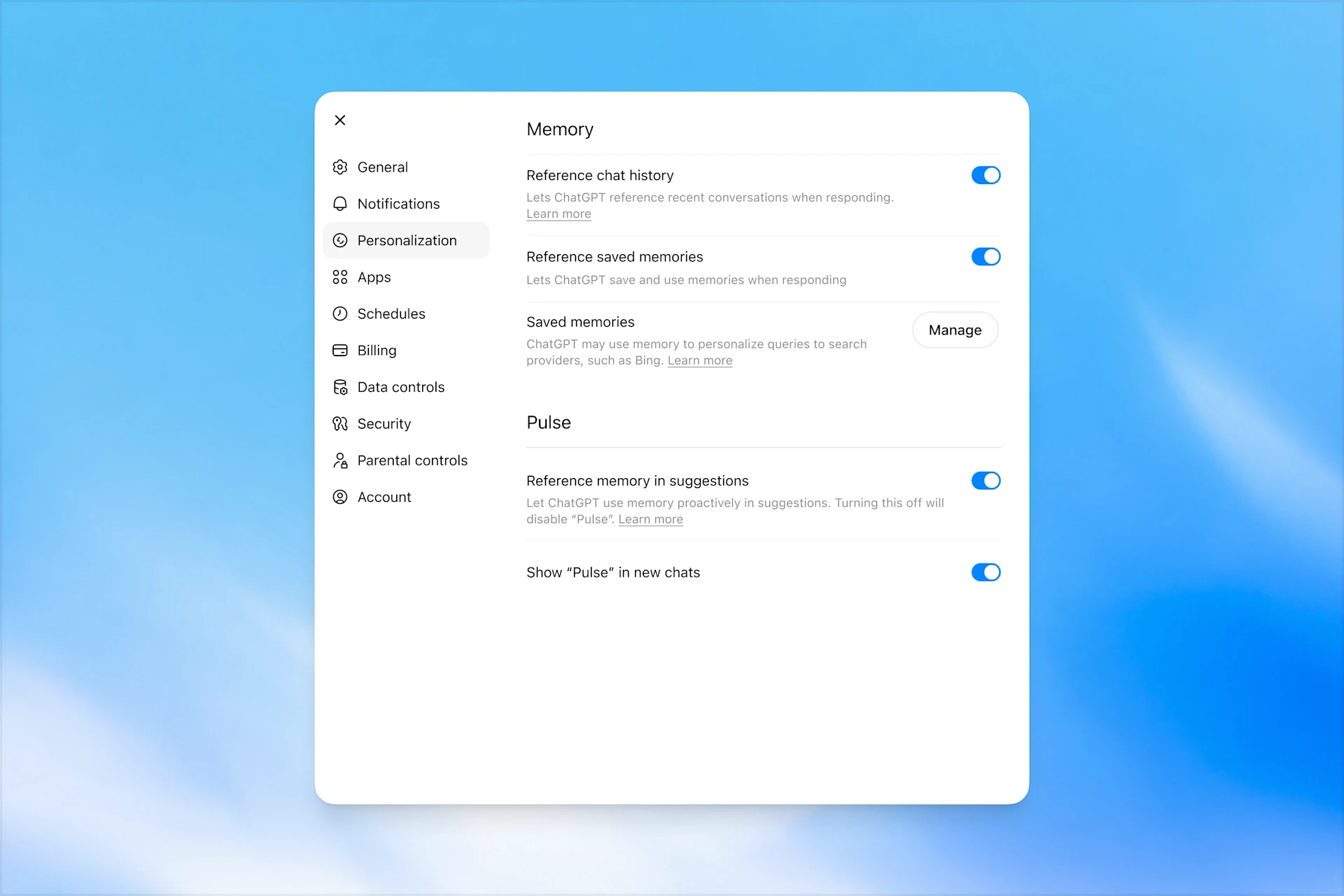
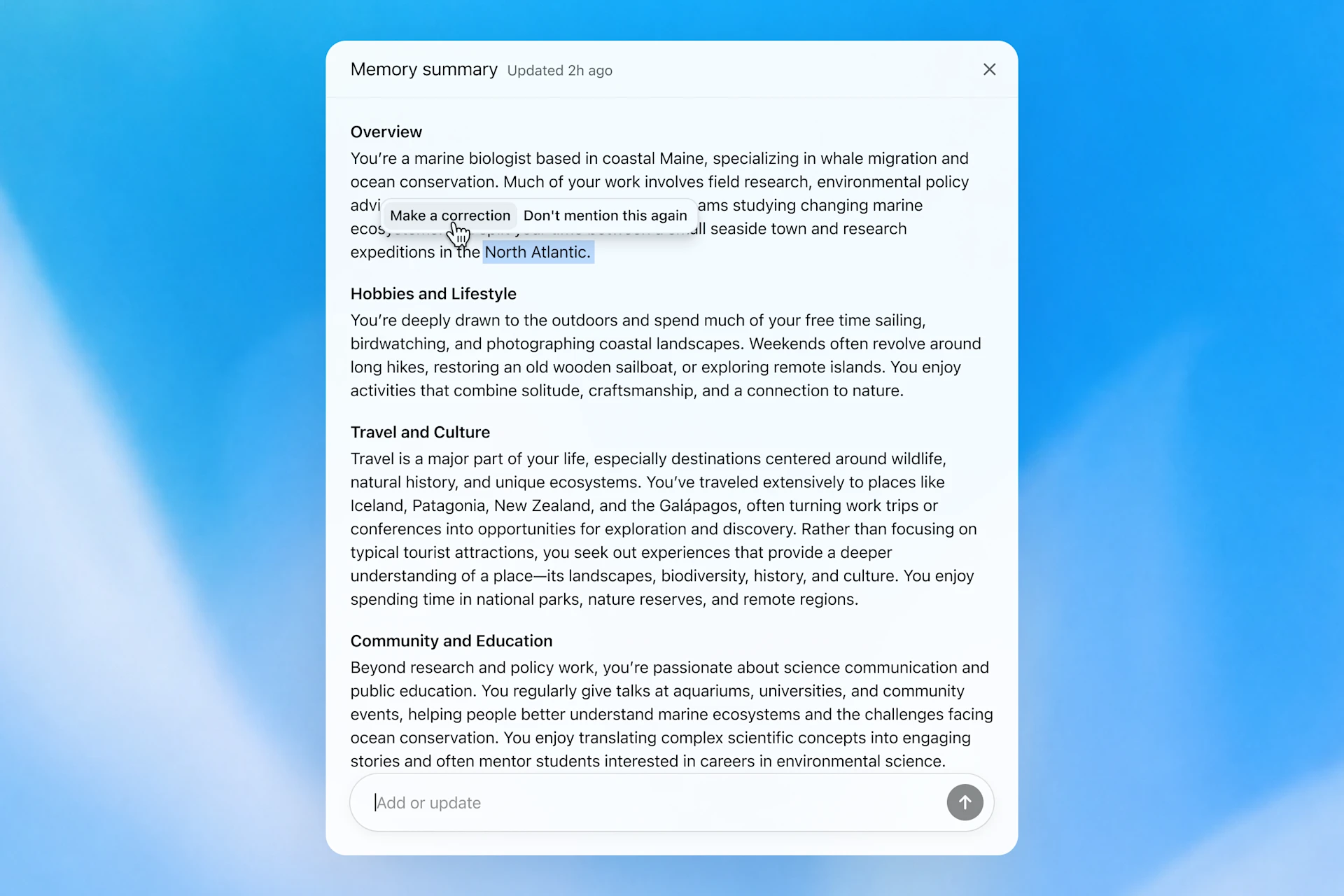
What Is Dreaming?
Dreaming is a new memory architecture developed by OpenAI to solve three major challenges:
Outdated information.
Incorrect or irrelevant memories.
Scalability for hundreds of millions of users.
Instead of storing isolated facts, the system builds a broader understanding of the user by synthesizing information across multiple conversations, creating a more accurate and personalized context.
How Does It Work?
Imagine you told ChatGPT:
"I'm traveling to Japan in July."
Previously, that information might have remained stored in the same form for months or even years. With Dreaming, the AI understands the passage of time and can update that memory to something like:
"You traveled to Japan in July 2026."
This allows ChatGPT to keep information relevant while gradually removing context that no longer applies.
Key Benefits
Continuous Context
You no longer need to repeat important information in every conversation.
Long-term projects, learning goals, personal preferences, and ongoing objectives can be remembered automatically.
More Personalized Responses
Whether you're writing articles, coding, studying AI, or working in marketing, ChatGPT can adapt its responses based on your profile and previous interactions.
Fewer Outdated Memories
The system is designed to update memories as time passes, reducing the chances of recommendations based on old or inaccurate information.
Better Project Tracking
For users who rely on AI daily, Dreaming helps ChatGPT understand ongoing projects without requiring a complete explanation every time.
Users Remain in Control
Even with automatic memory updates, users continue to have control over their information.
OpenAI allows users to:
View memory summaries.
Edit stored memories.
Delete specific memories.
Disable memory entirely.
Use temporary chats that are not saved.
Not Without Concerns
The new feature has also sparked discussions within the AI community.
Some users have raised concerns about transparency, arguing that it is not always possible to see everything the system has inferred about them. Others reported that detailed memories were sometimes condensed too aggressively after updates.
These discussions highlight an important challenge: helping AI remember more while ensuring that those memories remain accurate, useful, and transparent.
What Does This Mean for the Future of AI?
Dreaming represents a major step forward in the evolution of AI assistants.
Rather than acting as tools that answer isolated questions, AI systems are becoming digital companions capable of understanding context, preferences, and long-term goals. Future versions are expected to deliver even more personalized, productive, and natural experiences.
Conclusion
Dreaming is one of the most significant memory advancements ever introduced to ChatGPT. By making memory more intelligent, dynamic, and adaptive, OpenAI aims to reduce repetition and create a more personalized AI experience.
At the same time, the success of this technology will depend on balancing convenience, accuracy, and privacy. If executed well, Dreaming could become a major milestone in the journey toward AI assistants that truly understand and grow alongside their users.



评论0
请登录后发表评论。